
WHEN DO TRAPPED EMOTIONS AFFECT YOUR HEALTH?


We often use the expression “trapped emotions” to describe feelings and experiences that have never been fully processed, expressed or resolved.
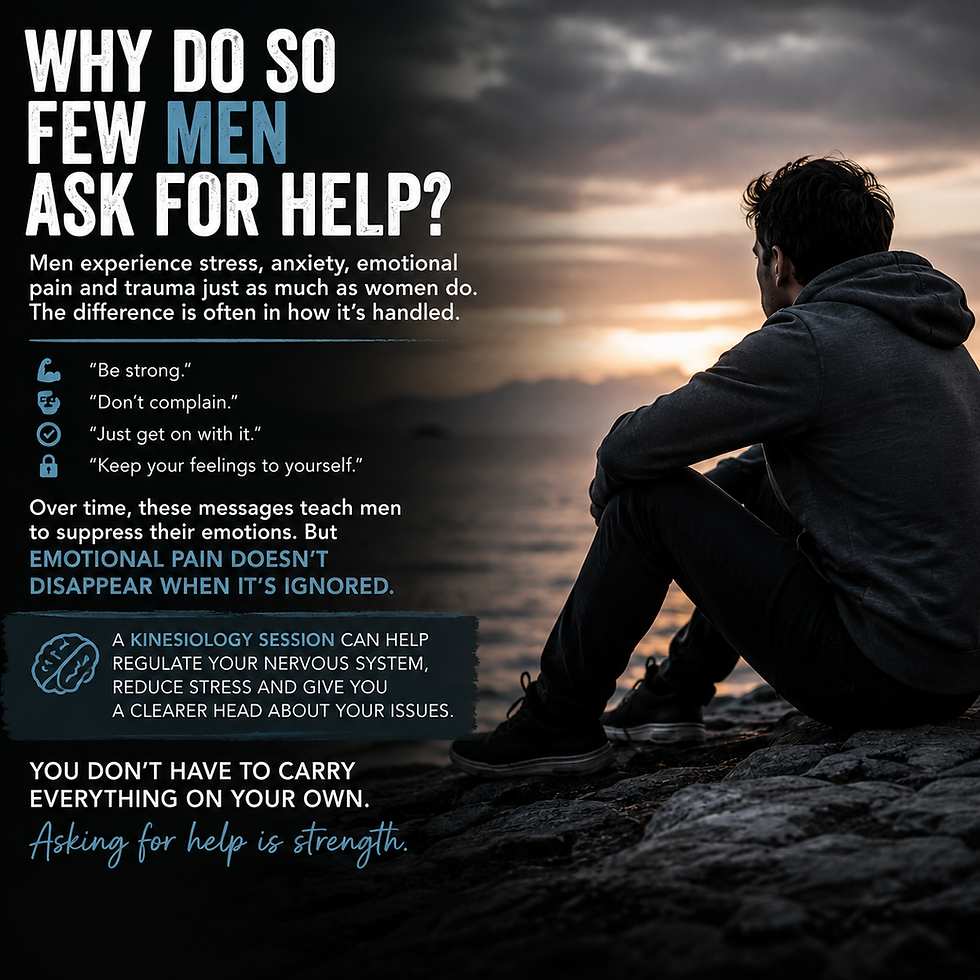
Perhaps you were taught to stay strong, keep quiet, carry on or pretend that everything was fine. The emotion may have been pushed aside, but the stress connected to the experience can remain active.
So, when does this begin to affect your health?
It can happen when thinking about or being reminded of a past experience repeatedly activates your stress response. Your conscious mind may understand that the event is over, yet your nervous system may continue to react as though the danger is still present.
This may show itself through muscle tension, headaches, disturbed sleep, digestive discomfort, fatigue, anxiety, irritability, difficulty relaxing or feeling constantly on alert. These symptoms can have many possible causes, so they should never automatically be attributed to emotions alone.
Scientific research does not suggest that emotions are literally stored in a particular organ or body part. However, it does show that chronic emotional stress can affect several interconnected systems, including the nervous, hormonal, immune, cardiovascular and metabolic systems.
When the stress response is activated occasionally, the body will usually recover. When it is frequently activated or left on for long periods, the cumulative strain is known as allostatic load. Over time, a higher allostatic load has been associated with poorer physical and psychological health.
Research has also found that habitually suppressing emotions can produce stronger physiological responses during stressful situations. Studies of adverse childhood experiences have found associations between repeated early adversity and an increased risk of mental and physical health difficulties later in life. This does not mean that everyone who experiences trauma or emotional distress will become unwell. It means that our experiences can influence our health alongside genetics, lifestyle, environment, relationships and access to support.
Healing is not about forcing yourself to relive every painful experience. It is about creating enough safety for difficult emotions to be gradually recognised, understood and processed.
Sometimes the body is not working against you. It may simply be continuing a protective response that it once believed you needed.
Through kinesiology, we can gently explore stress patterns, emotional triggers, and how your body responds to them, helping to support relaxation and emotional wellbeing. Kinesiology is a complementary approach and should not replace medical or psychological care where this is needed.
Your emotions are not a weakness. They are information, and listening to them may be an important part of caring for your whole health
Comments